
Mindful Approaches to Eating
Understanding Nutrition and Body Weight Awareness
Educational content only. No promises of outcomes.
Understanding Hunger and Fullness Signals
The human body continuously communicates its nutritional needs through complex physiological signals. Hunger cues arise from various sources including stomach distension, blood glucose levels, and hormone release. The stomach produces ghrelin, often called the "hunger hormone," which signals the brain that energy is needed.
Fullness signals, conversely, involve the release of peptides like cholecystokinin and leptin. These chemical messengers communicate satiation to the hypothalamus—the brain's appetite control center. Understanding these natural cues requires attention to bodily sensations before, during, and after eating.
Many people experience a disconnect between physiological hunger and eating patterns. Environmental cues, emotional states, and habitual behaviors can override or mask true hunger signals. Education about recognizing these signals is foundational to understanding eating behavior.

The Sensory Experience of Eating

Eating engages multiple sensory systems simultaneously. Taste receptors detect sweetness, saltiness, bitterness, sourness, and umami. Olfaction—the sense of smell—contributes substantially to flavor perception. Texture, temperature, and visual appearance all influence the eating experience.
Research indicates that concentrated sensory attention during meals affects how food is perceived and processed. When attention is divided—such as during screen use or hurried meals—sensory engagement diminishes. This reduced awareness can affect satisfaction signals and meal duration.
The trigeminal system responds to spicy, cooling, or tingling sensations. Proprioception and touch convey information about food consistency and mouthfeel. These multisensory elements combine to create the subjective experience of eating, which varies significantly among individuals based on genetic taste sensitivity and learned preferences.
Eating Pace and Digestive Processes
The speed at which food is consumed has measurable physiological consequences. Rapid eating can outpace satiation signals, which require approximately 15–20 minutes to register in the brain. Population studies show correlations between faster eating rates and larger meal portions.
Digestion begins in the mouth through mechanical breakdown and salivary enzyme action. The longer food remains in the mouth, the more complete this initial process becomes. Gastric emptying—the rate at which the stomach releases food into the small intestine—is influenced by meal composition, temperature, and eating speed.
General research observations indicate that deliberate eating pace allows more complete mastication, potentially enhancing nutrient absorption and satisfaction. However, individual variation in gastric function, digestive capacity, and appetite regulation means eating pace is only one factor among many in overall eating behavior and nutritional outcomes.
Environmental Influences on Eating Behavior
The eating environment—physical surroundings, social context, lighting, temperature, and ambient noise—significantly influences food intake and meal duration. Research in environmental psychology demonstrates that aesthetic factors can enhance or diminish the eating experience.
Social eating differs markedly from solitary meals. Presence of others, conversation, and social dynamics can extend meal duration and alter portion consumption. Cultural norms, family traditions, and learned associations with specific foods and settings shape eating patterns across populations.
Distractions during meals—including screens, work, or other activities—change attention allocation and can reduce sensory engagement. Physical environment elements such as table height, seating comfort, and visual appeal affect how long people remain at a meal and their subjective satisfaction.

Neurophysiological Aspects of Appetite Regulation
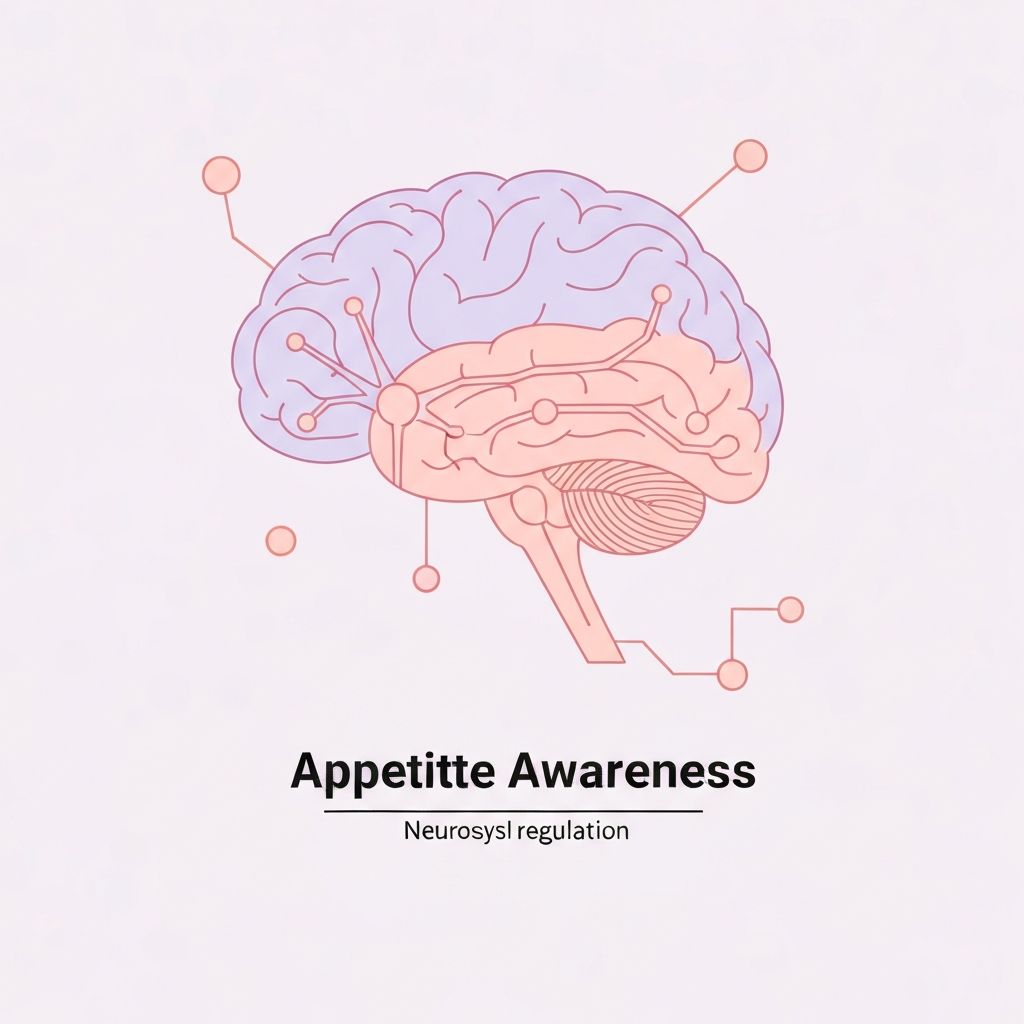
The hypothalamus serves as the brain's appetite control center, receiving signals from multiple physiological systems. The lateral hypothalamus is associated with hunger drive, while the ventromedial hypothalamus relates to satiation. These regions integrate information from hormones, metabolic status, and sensory input.
Leptin, produced by adipose tissue, provides the brain with information about energy stores. Ghrelin rises before eating and falls after consumption. Insulin signals nutrient availability and influences appetite perception. These hormonal systems operate continuously, creating dynamic appetite regulation rather than simple on-off switches.
The gut-brain axis communicates through neural pathways and bloodborne signals. Vagal afferent nerves transmit information about gastric distension and nutrient composition directly to brain appetite centers. Neurotransmitters including serotonin, dopamine, and neuropeptide Y modulate appetite, reward perception, and food preference.
Common Patterns in Eating Attentiveness
Population observations reveal wide variation in how people approach eating. Some individuals naturally gravitate toward focused meal experiences; others typically eat while engaged in other activities. Neither pattern is inherently "correct"—they reflect individual habits, circumstances, and preferences.
Generational differences emerge in eating patterns. Younger populations report higher rates of eating while using digital media. Older age groups often report longer meal durations and social eating contexts. Cultural backgrounds significantly influence whether eating is a primary activity or accompanies social interaction.
Work schedules, family structures, and access to food preparation facilities shape eating attentiveness patterns. Rushed meals are common in modern societies with demanding schedules. Rural populations may maintain different eating patterns than urban counterparts. These observations describe what exists in populations without implying judgment about optimal approaches.
Explore Related Topics

Body's Natural Hunger Cues
Detailed exploration of physiological signals that indicate nutritional needs and energy requirements.
Read the article
Sensory Experience of Food
Research insights into how taste, smell, and texture influence perception and eating behavior.
Read the article
The Role of Attention in Digestion
General studies overview on how focused awareness during meals relates to digestive processes.
Read the articleFrequently Asked Questions
Continue Your Exploration
This educational resource presents current research and observations on eating awareness, nutrition science, and the complex interplay of physiological, psychological, and environmental factors that influence eating behavior. We encourage deeper inquiry into topics that interest you.
Explore More Articles